Psychologist Resume Certifications
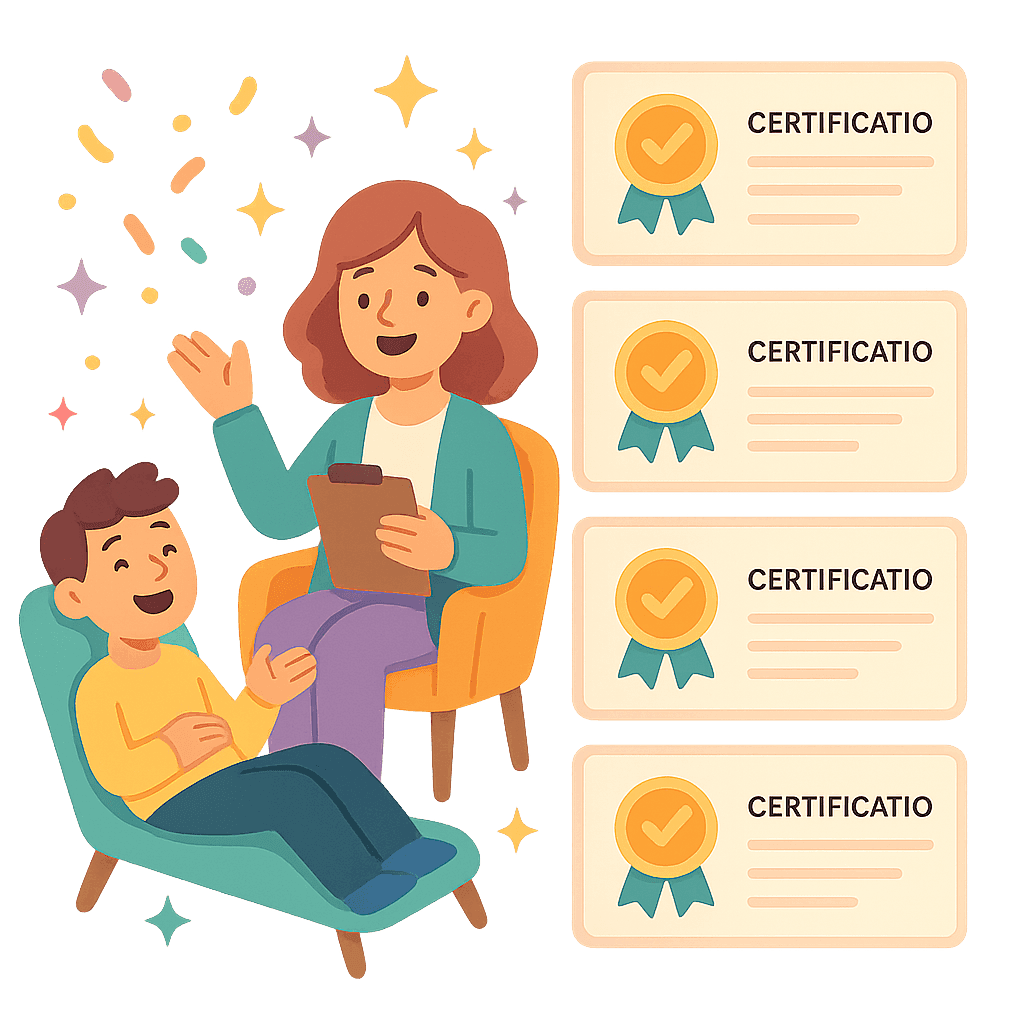
Certifications on a psychologist’s resume are like shiny badges at a science fair—proof you know your stuff and the judges should take you seriously. This article spills the beans on why those credentials matter and how to flaunt them with style, so readers walk away ready to impress even the pickiest hiring manager.
The Value of Certifications in Psychologist
Certifications drape a psychologist’s resume in authority—almost like a stamp that whispers, “I really know my stuff.” They showcase specialized know-how, offering proof to clients and employers that you’ve spent extra hours sharpening particular skills. In a sea of applicants, credentials gleam, setting you apart like a lighthouse in the fog. Small letters after your name can make all the difference in trust and opportunity.
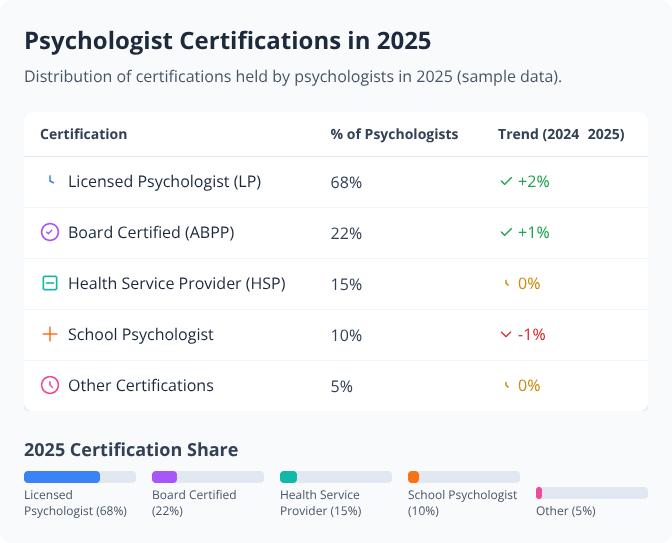
Adding a certifications section to your resume can really boost your chances, especially for psychologist roles where specific training and credentials matter.
Essential Certifications for Advancing as a Psychologist
Licensed Psychologist (LP) – This credential signals full state licensure, granting the legal authority to practice psychology independently and offer a wide array of services.
Board Certified in Clinical Psychology (ABPP) – Awarded by the American Board of Professional Psychology, this distinguished board certification demonstrates advanced expertise and credibility in clinical psychology.
Certified School Psychologist (NCSP) – Recognized by the National Association of School Psychologists, this certification marks competence in supporting the mental health and learning needs of school-aged children.
Certified Addiction Counselor (CAC) – This certificate attests to specialized knowledge in treating substance use disorders and guiding clients through recovery processes.
Certified Forensic Psychologist (ABFP) – Endorsed by the American Board of Forensic Psychology, the credential showcases skill in applying psychology within legal and criminal justice settings.
Certified Cognitive-Behavioral Therapist (CBT) – A hallmark of proficiency in CBT, this certification highlights the capacity to deliver evidence-based therapies for a wide range of mental health conditions.
Certified Rehabilitation Psychologist (ABRP) – Through the American Board of Rehabilitation Psychology, this designation verifies competence in helping people adjust to injury, illness, or disability on psychological and functional levels.
DO'S
- Include only certifications relevant to psychology or mental health.
- List certification names clearly, with awarding body and date earned.
- Place certifications in a distinct section for quick visibility.
DON'TS
- Don’t list expired or irrelevant certifications that add clutter.
- Don’t use vague abbreviations without spelling out the credential first.
- Don’t put certifications in random sections—keep them organized in one spot.
Pro Tip: Because wading through irrelevant credentials makes hiring managers groan, but spotlighting the right certifications shows you actually belong in the chair across from the client.