Architect Resume Certifications

Certification isn’t just fancy wallpaper for an architect’s resume—it’s the secret handshake to bigger projects and brighter opportunities. This article unlocks why showing off your credentials matters, and guides you on spotlighting them to catch any employer’s eye. By the end, you’ll know exactly how to make your skills look irresistible on paper.
The Value of Certifications in Architect
A certification in architecture doesn’t just sit there on a résumé collecting dust; it's a shining signal to clients and employers that you’ve crossed an industry-approved threshold of knowledge and skill. When the competition is fierce, that credential grabs attention, marking you as someone who’s committed, current, and capable. It whispers confidence into every introduction—your expertise has been measured and found solid. For professionals navigating the crowded terrain of architecture, certifications can be the nudge that tips the scales, opening doors that might have otherwise remained closed.
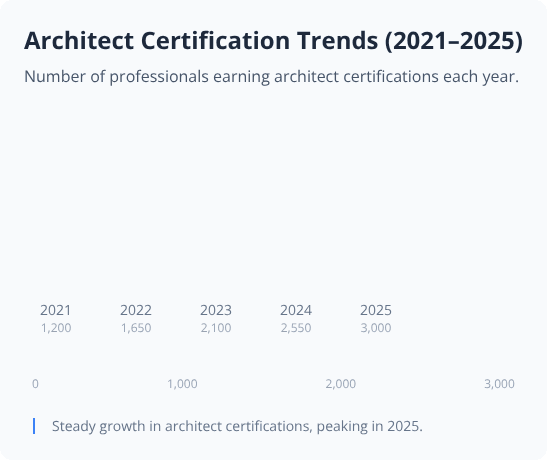
Adding a certifications section to your resume can really boost your chances, especially for architect roles that demand proof of specialized skills.
Top 7 Certifications for Architect Resumes
- Licensed Architect (NCARB) – The gold standard for architectural practice in the United States, granting legal authority to sign and seal architectural drawings and lead projects.
- LEED Accredited Professional (LEED AP) – Signals expertise in sustainable design principles, giving architects an edge on green building projects and environmentally conscious clients.
- Certified Passive House Designer – Marks a deep understanding of ultra-efficient, high-performance building design, prized in the growing world of energy-conscious construction.
- Project Management Professional (PMP) – Demonstrates solid grasp of leading teams, resources, and timelines—vital for architects steering complex builds from start to finish.
- Building Information Modeling (BIM) Certification – Highlights mastery of digital modeling tools critical for collaboration, accuracy, and innovation in modern architecture.
- Royal Institute of British Architects (RIBA) Chartered Membership – Stands as international recognition of advanced professional competence and design excellence.
- Architectural Registration in a Foreign Jurisdiction – Expands practice horizons, allowing professionals to take on projects globally and appeal to international clients.
DO'S
- Show only certifications relevant to architecture or the job you want.
- Include the full name of the certification and the issuing organization.
- List the date earned or expiration if it’s recent or required.
DON'TS
- Don't list expired or irrelevant certifications.
- Don't exaggerate or fabricate credentials.
- Don't bury important certifications in hard-to-find sections.
Pro Tip: You want your resume to shout, in big bold letters, “I’m exactly who you need!”—and the right certifications do that louder than a fancy job title ever could.